Organizing Committee Board

Maja Marzec
Vice-president of the Neuroinformatics Student Club
Neuroinformatics Student, UW
SPONSORS, PARTNERS, PATRONS, FINANCE

Zuzanna Maruszewska
Member of the Neuroinformatics Student Club
Psychology Student, UW
WEBSITE, SCIENTIFIC COMMITTEE, TEAM MEMBERS AND LEADERS
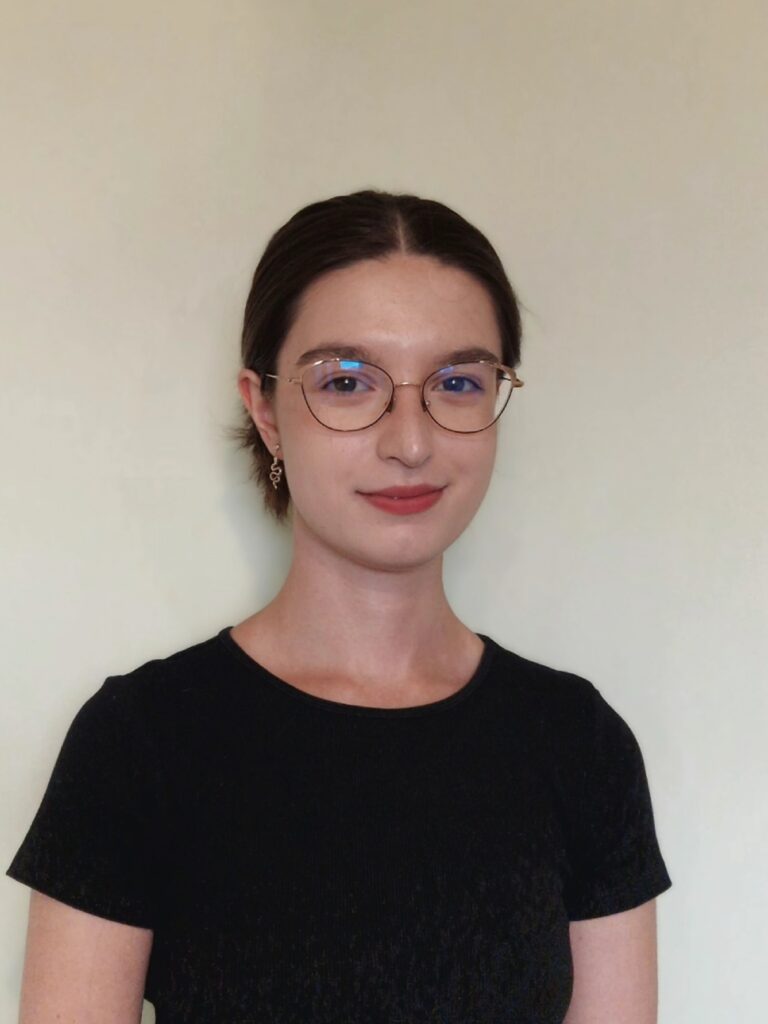
Katarzyna Jałocha
Member of the Neuroinformatics Student Club
MISMaP Student, UW
SOCIAL MEDIA, GUEST SPEAKERS
Organizing Committee Members
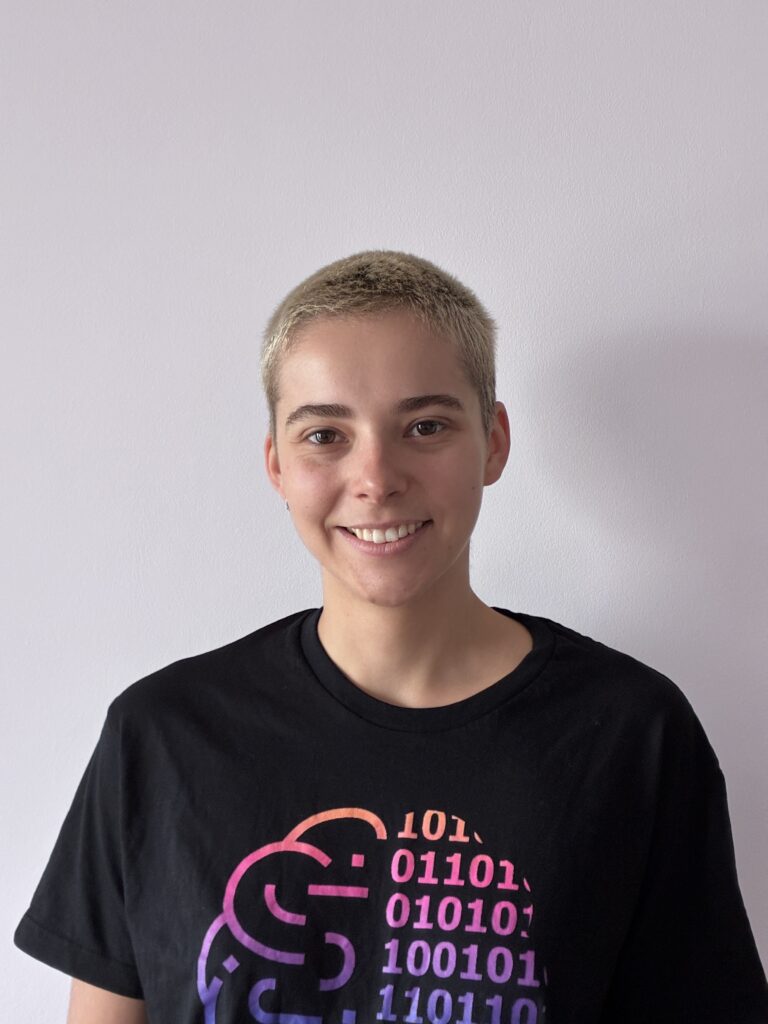
Marta Maczuga
Neuroinformatics Student, University of Warsaw
FINANCE, SOCIAL MEDIA, GUEST SPEAKERS
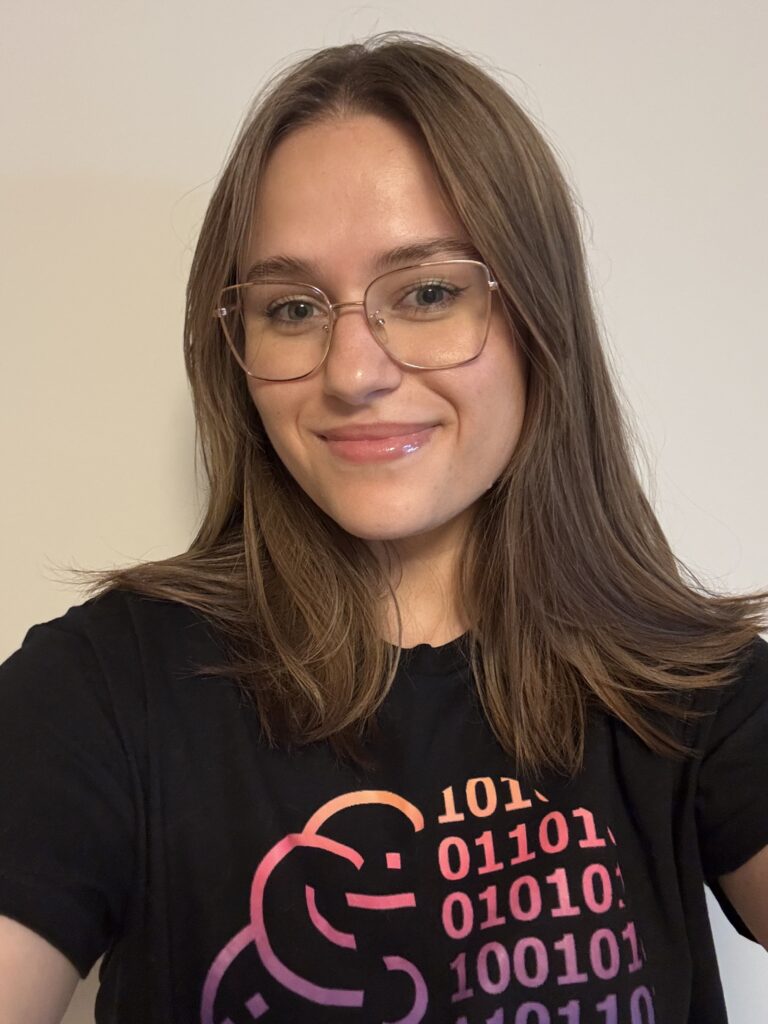
Matylda Łaba
Neuroinformatics Student, University of Warsaw
FINANCE, SOCIAL MEDIA

Jakub Sobala
Neuroinformatics Student, University of Warsaw
PATRONS, TEAM MEMBERS AND LEADERS
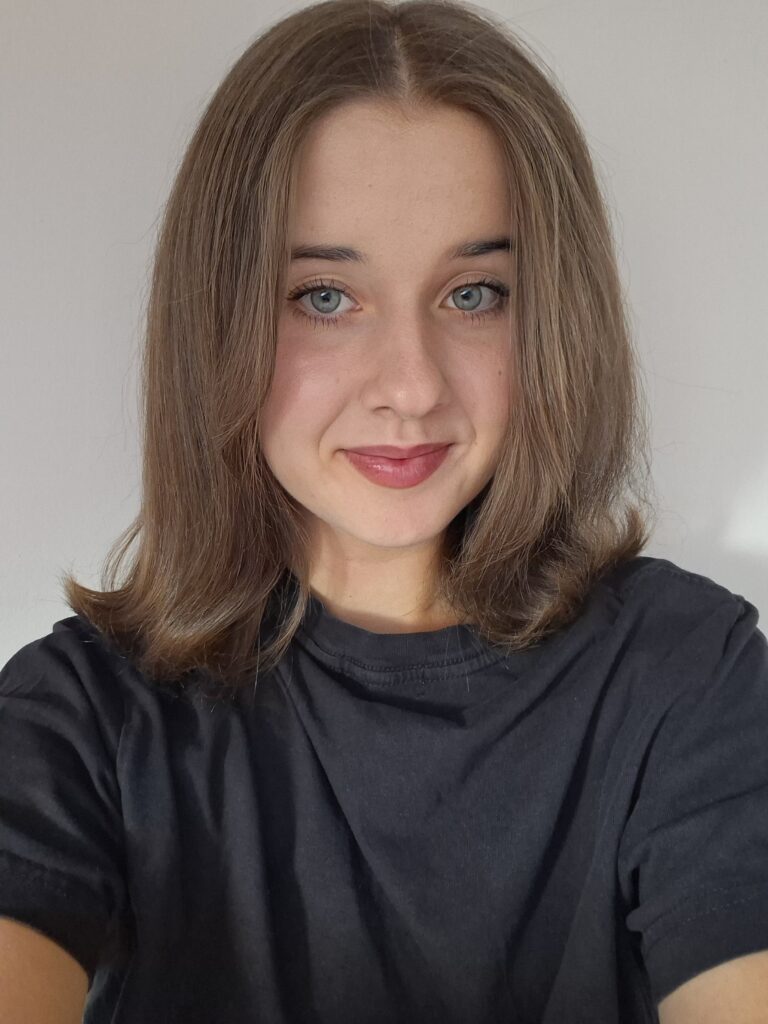
Hanna Hejza
Cognitive Science Student, Universty of Warsaw
SPONSORS, PARTNERS, SOCIAL MEDIA
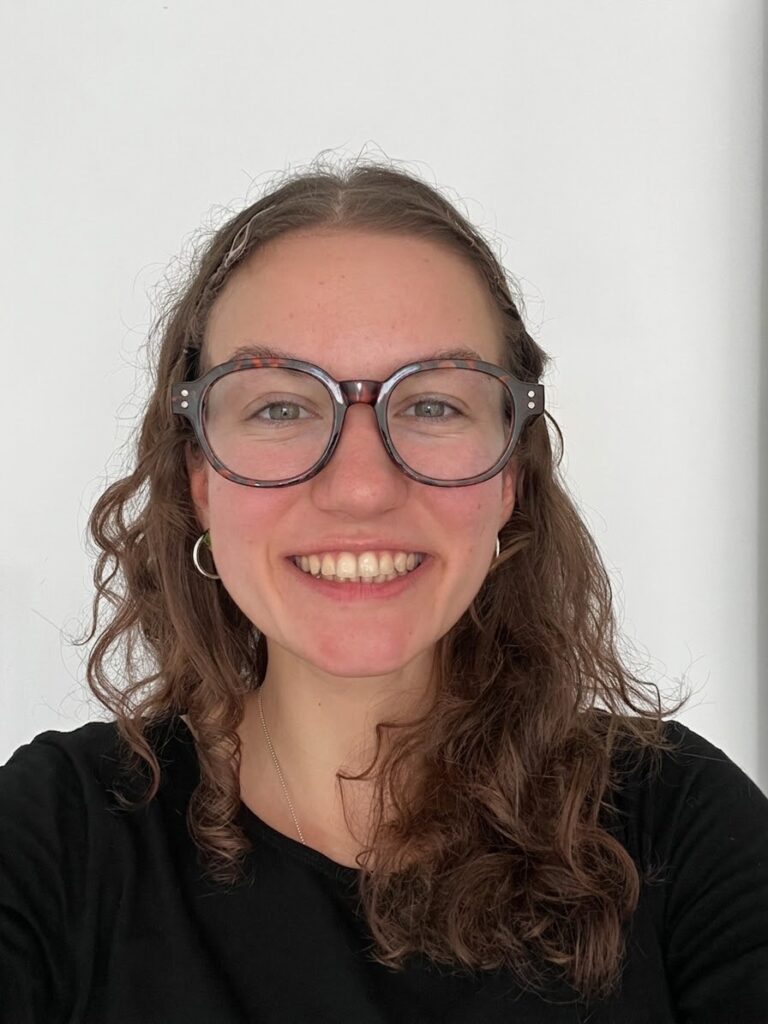
Zofia Blicharz
Neuroinformatics Student, University of Warsaw
WEBSITE, GUEST SPEAKERS

Karol Dąbrowski
Neuroinformatics Student, University of Warsaw
WEBSITE, TEAM MEMBERS AND LEADERS
Krzysztof Rak
Neuroinformatics Student, University of Warsaw
SCIENTIFIC COMMITTEE, TEAM MEMBERS AND LEADERS
Sylwia Adamus
SCIENTIFIC COMMITTEE, TEAM MEMBERS AND LEADERS
Advisors
Mateusz Nowak
University of Warsaw, Faculty of Physics, Neuroinformatics
FINANCE
Oliwier Zgierski
University of Warsaw, Faculty of Physics, Neuroinformatics
WEBSITE
Dominika Kotulska
University of Warsaw, Faculty of Physics, Neuroinformatics
GRAPHICS
Organization Committee members are part of:


Previous Editions of Brainhack Warsaw
- 2025
- 2024
- 2023
Advancing Bias-Free Sentiment Analysis: Scaling the SProp GNN to SOTA-Level Performance
AUTHOR: Hubert Plisiecki
AFFILIATION: Stowarzyszenie na rzecz Otwartej Nauk
Modern transformer-based architectures have demonstrated remarkable performance in sentiment analysis but often learn and propagate social biases from their training data. To address this, I previously introduced the Semantic Propagation Graph Neural Network (SProp GNN), a bias-robust alternative that relies exclusively on syntactic structures and word-level emotional cues. While the SProp GNN effectively mitigates biases—such as political or gender bias—and provides greater interpretability, its performance currently falls slightly short of state-of-the-art (SOTA) transformer models. This project aims to advance the SProp GNN by testing and implementing architectural and methodological improvements to elevate its performance to transformer levels and beyond. Proposed enhancements include: (1) developing alternative sentence parsing models and graph setups to better align with the propagation of emotional information through syntactic structures, (2) experimenting with various taxonomies for parts of speech and dependency types, and (3) exploring alternative SProp architectures and conducting extensive hyperparameter optimization. Additional ideas for improvement are also welcome. Achieving SOTA performance while maintaining the model’s ethical and transparent design could establish the SProp GNN as a valuable alternative for sentiment analysis across diverse applications. Results from this hackathon will be shared on the original project’s GitHub repository, with proper attribution for contributions.
AI Chart Surgeon: Improving Visualizations, One Graph at a Time
AUTHORS: Piotr Migdał, Katarzyna Kańska
AFFILIATION: independent AI consultant at p.migdal.pl
Good charts present data in a way that is easy to understand and interpret.
We will use modern AI tools to improve existing charts, following the best practices of data visualization.
We will construct a tool that is able to:
– extract data from an existing chart
– suggest appropriate chart types for the data
– create code for a new chart
– generate the new, improved chart
Most scientists are not data visualization experts, so we will create a tool that helps them create better charts. It will provide concrete feedback on their choices, not only to get results but also to teach good practices.
Additionally, many charts are not suitable for republishing – both in terms of their visual quality and copyright restrictions.
We plan to test:
– which types of charts work well for data extraction
– which types of data are good candidates for automatic chart generation
– which AI models work best for each task
We plan to use modern Large Language Models (LLMs) and vision models, such as GPT-4o, Gemini, and Claude.
Any partial solution (e.g., only data extraction or only chart generation) would be a valuable achievement on its own.
Automated Motion Tracking for Early Neurological Assessment in Infants Based on the Hammersmith Neonatal and Infant Neurological Examination (HINE)
AUTHOR: Paulina Domek
AFFILIATION: SWPS University
This preliminary research project aims to explore the potential of automated motion tracking systems in supporting the Hammersmith Neonatal and Infant Neurological Examination (HINE). We will attempt to develop a computer vision-based approach to analyze video recordings of infant assessments, with the goal of extracting quantifiable movement features that could assist in clinical evaluation. The proposed system will combine motion tracking technology with machine learning algorithms to potentially provide objective measurements of infant motor performance.
Our methodology will involve collecting video recordings of HINE assessments and applying pose estimation algorithms to track infant movements. We plan to use frameworks such as OpenPose or DeepLabCut for movement analysis, focusing on key features such as spontaneous movement patterns, posture, and reflex responses. The project will explore the feasibility of machine learning models in distinguishing between different movement patterns, while acknowledging the complexity and variability inherent in infant motor development.
If successful, this tool could complement traditional HINE assessments by offering additional data points for clinicians to consider when screening for early signs of neurological disorders. The potential benefits include enhanced objectivity in assessment, improved documentation of infant movement patterns, and the possibility of identifying subtle motor abnormalities that might warrant further clinical investigation.
We recognize the challenges in developing such a system, including the need for extensive validation, the complexity of infant movement patterns, and the importance of maintaining the central role of clinical expertise in assessment. This exploratory project represents an initial step toward combining modern computer vision techniques with established clinical practices in infant neurological assessment, potentially contributing to the broader field of technology-assisted pediatric healthcare.
Eye orbit segmentation and eye movement detection via fMRI
AUTHORS: Cemal Koba, Jan Argasinski
AFFILIATION: Sano Center for Computational Medicine
In our previous research, we demonstrated that the mean fMRI time series from eye regions correlate with spontaneous brain activity in visual and somatomotor regions. We now aim at refining our analyses by better defining the eye movements rather than using mean signal from the whole eye region. To achieve this, we plan to create an algorithm that processes 4D data (3D spatial data + time) from eye regions. More specifically, we want to automatize the following steps:
– Locating and isolating eye orbits in a given 4D fMRI image
– Identifying the initial position of the eye
– Reporting the movement parameters (such as translation and rotation) over time.
– Reporting summary statistics such as relative and absolute motion, coherence between both eyes, and displacement
– Optional: Find the neural correlates of each summary statistic
Although similar algorithms already exist, they are often deep-learning-based and trained on specific populations. Our goal is to develop an algorithm that operates solely on the subject’s available data, without requiring a pre-trained model, and is adaptable to specific clinical populations.
Second Generation Diffusion Models of Brain Dynamics via Flow Matching
AUTHOR: Adam Sobieszek
AFFILIATION: University of Warsaw
This project focuses on new methods in modelling EEG brain dynamics by combining flow matching, a recent generalization of diffusion models, with transformer-based representations of neural signals. While traditional diffusion models have shown promise in generative tasks, flow matching offers a more flexible framework that can be formulated as neural differential equations, enabling a wider range of applications beyond simple generation. We will leverage this flexibility to test multiple challenges in neural signal processing and brain-computer interface (BCI) applications. We will work on models that can perform tasks such as source separation in the signal domain, as well as flow matching operating in the representation space of transformer models trained on neural data. Flow matching in representation space could aid controlled signal generation by incorporating additional information about represented brain processes. We will focus on data from language-related BCI tasks, where we will work on detecting language-related brain activity. Our project will explore how flow matching can be used to model the complex trajectories of brain states during cognitive tasks, while maintaining the interpretability advantages of transformer-based representations. If successful, this approach could be worked on after the event to build a promising framework for modeling and manipulating neural signals in research settings.
Can mental health be quantified? – preliminary project of a mobile app for patients receiving psychiatric care
AUTHOR: Sylwia Adamus
AFFILIATION: University of Warsaw, Faculty of Physics; Medical University of Warsaw, Faculty of Medicine
The popularity of healthcare mobile apps has been rising constantly, with a variety of them available for each medical specialty. The ones dedicated to patients receiving psychiatric care are however often lacking in necessary functionalities and focus on tracking one’s symptoms by a descriptive analysis.
This project was conceptualized during the 12th edition of Bravecamp, qualifying for its finale. We will brainstorm an app that would allow for simultaneous tracking of both medications and mental health symptoms, focusing on a quantitative approach inspired by scales used in psychiatry and psychology. The project will include generating test data, programming basic functionalities, and visualizing the output that a potential app user would receive.
Beginners in programming are welcome, what matters the most is your creativity!
Combining Generative Autoencoder and Complex-Valued Neural Network architectures for EEG signal modeling
AUTHOR: Adam Sobieszek
AFFILIATION: Univeristy of Warsaw
The project aims to solve problems with EEG signal analysis with Variational Autoencoders (VAEs) by combining them with the lesser-known architecture of Complex-Valued Neural Networks (CVNNs). Our aim is to enhance the signal generation and representation capabilities of VAEs for EEG signals, developing a better architecture for modelling signals in the frequency domain, which is represented with complex numbers. VAEs are deep learning models that learn to encode and decode data, creating a latent space representation. This latent space is a compressed knowledge representation of the training signal data, which VAEs learn to reconstruct. In the context of EEG signals, VAEs are useful for signal generation (e.g. for missing data imputation) and their learnt representations can be used for clasification and prediction, as well as for uncovering insights about the training EEG data. Training VAEs on EEG data in the time domain has proven ineffective. Conversely, representing EEG signals in the frequency domain via their Fourier Transform is challenging due to these representations being complex numbers, that are not well transformed with real-valued neural network layers. CVNNs integrate complex numbers directly into the network architecture, using complex numbers in the trainable layer weights. In our project we will program custom CVNN layers that we can use to manipulate the complex-valued Fourier spectra. By combining VAEs with CVNNs, we can learn a complex-valued latent space representation of EEG signals, which can be interpreted in terms of the magnitude and phase of discovered signal components. We will train such networks on EEG data from psychological studies and analyze the learnt representation in a supervised and unsupervised setting. If successful, we expect to continue working on the project after the Brainhack in order to present the results in a scientific publication.
Subtyping and grading of gliomas using artificial intelligence
AUTHORS: Paulina Domek
AFFILIATION: SWPS
Advances in brain tumor research show promise to improve diagnosis and treatment by identification of epigenetic molecular targets responsible for the disease (Skouras et al., 2023). It has been shown that gene expression is controlled by epigenetic modifications of DNA, such as histone methylation and acetylation (Gibney and Nolan, 2010), therefore, it is crucial to accurately identify molecular targets responsible for the occurrence of the disease. Recently, various approaches have been taken to combine transcriptomics (gene expression data analysis) and epigenetics to design novel drugs to target malfunctioning proteins, specific for each subtype and grade of brain tumors. The project was initiated at Brainhack 2023. In the project, we successfully developed a data analysis workflow to analyze publicly-available epigenetic data of brain tumor patients from various databases, such as The Cancer Genome Atlas and Gene Expression Omnibus. We validated an open-source software MethPed (Ahamed et al., 2016) as a potentially useful tool for clinical application of pediatric brain tumor subtyping. We found out that MethPed could serve as a confirmation test for the primary diagnosis, however some results might require additional confirmation. To emphasize the importance of code and data reproducibility, we shared our results in publicly available GitHub repository: https://github.com/jjjk123/Brain_tumor_subtyping. At Brainhack 2024, we plan to extend the workflow to include a machine learning software for subtyping and grading of gliomas using transcriptomic data (Munquad et al., 2022). The results will be analyzed alongside the results from MethPed, and are expected to provide a deeper insight into the mechanisms of brain tumor subtypes.
Visualization of Dyslexic Reading using Large Language Model
AUTHOR: Karolina Źróbek
AFFILIATION: Akademia Górniczo Hutnicza
Large language models (LLMs) open up new possibilities, allowing us to explore and understand various perspectives of human experiences. The primary aim of this project is to create a visualization of dyslexic reading patterns predicted by a custom ChatGPT (Generative Pre-trained Transformer). By training a specialized language model on articles related to reading and dyslexia, we intend to develop a tool that can generate insightful analyses of dyslexic reading behaviors, including saccadic movements, fixation points, and the duration of fixations. Furthermore, the custom model will provide qualitative information on how individuals with dyslexia perceive text while reading. The information obtained from the custom language model can be used to create visualizations, such as videos or images, representing dyslexic reading patterns. Apart from enabling the viewer to empathize with dyslexic readers, we see a possible development of the visualization in such a way that provides dyslexic readers with a tool for enhanced comprehension of any given text. This project proposal is rooted in the exploration of eye movement patterns observed in individuals with dyslexia, coupled with qualitative research focusing on the subjective experience of reading. By delving into the intricate dynamics of eye movements among individuals facing dyslexia, we aim to unravel deeper insights into how this neurological condition shapes the act of reading. To achieve the stated objective, we propose the following implementation plan: Custom GPT Training: Training a custom Language Model (LM) using a diverse dataset of articles specifically focused on reading and dyslexia. The model would be used as a meaning and parts of speech identification tool, allowing for a comprehensive understanding of textual content. Text Analysis: The model would later be used to generate detailed text analyses including information related to saccadic movements, fixation points, and the length of fixations during dyslexic reading. The model would also provide qualitative insights into how dyslexic individuals perceive and interpret text while reading, capturing subjective experiences, such as struggles with specific words or patterns. Visualization Creation: The information obtained from the language model would be utilized to create visualizations representing dyslexic reading patterns. Prompt-to-image generative models could be used to enhance the visual representation of the data.
Estimating the amount of recalled information by NLP techniques for free recall psychological research of memory
AUTHORS: Michał Domagała
AFFILIATION: Jagiellonian University
In research of memory, traditionally there exist two methods of judging memorized content: Explicit paradigms, that task participant in recognising presented stimuli as novel or previously seen or Implicit methods, where subject are asked to fill the collection of object with one from memory. Both methods however bear little resemblance to how humans memorize objects in their daily functioning, as they consist of recognising simple, isolated objects as opposed to complex audiovisual stimuli. Thus, a novel paradigm of recalling from a continuous stream of information, such as movies or audiobooks has been proposed as a more ecological alternative. Here however, the problem of judging the amount of remembered information arises, as it is difficult to use objective measurements as people tend to differ in their ascriptions of importance. We propose to use Natural Language Processing and advanced GPT based language models to develop an index of how much detail have been memorized. In order to achieve this we intend to develop similarity measures between auditory stream and recall that is sensitive to context and works irregardless of the text length. Such a tool would be invaluable in ecological psychological research as it will allow for fast and highly reproducible assessment of the amount of remembered information. To achieve the stated objective, we propose the following implementation plan:
1. Generate the dataset of stories by the virtue of language models such as ChatGPT and ask people for detailed and less detailed summary. Additionally, summaries will be performed by language models.
2. Customly refit GPT model to return a remembrance score – as an estimate of recalled information on the basis of text similarity between original text, GPT made summary, and by referencing detailed and less detailed summaries. Here our work will center on reshaping data and establishing text properties that will be connected to better recall.
3. Compare remembrance score with the judgment of Competent judges and replicate simple experiment of Viewing a standard audiovisual stimuli of “Sherlock” movie and then asking participants to Recall specific scenes in as detailed way as possible.
Default Mode Network connectivity
AUTHOR: Zofia Borzyszkowska
AFFILIATION: Nicolas Copernicus University
Default Mode Network (DMN) is active during a resting state and is especially helpful in identifying differences between healthy people, and patients with mental diseases. The relationship between resting state and visual input has not been widely researched. In 2022 Yi Wang lead an EEG study aiming to find differences in connectivity in between two states: eyes open and eyes closed [1]. Analysis carried out on the Brainhack Warsaw is a part of an ongoing Neurotech Students Scientific Club project inspired by Wang’s paper. The EEG data for this project has been collected by members of the club on a 32-electrode cap. The goal of this project is to analyze DMN connectivity between two states: eyes closed, eyes opened.
Rhythms of thought: Unraveling human behavior with bayesian models and circadian rhythmicity
AUTHOR: Patrycja Ściślewska
AFFILIATION: Department of Animal Physiology, Faculty of Biology, University of Warsaw; Laboratory of Emotions Neurobiology, Nencki Institute of Experimental Biology PAS
Bayesian models are increasingly used across a broad spectrum of the cognitive sciences. This approach aligns with the current trends in data-driven attempts to understand human behavior (Wilson & Collins, 2019). The aim of the project is to develop a mathematical model to describe human behavior (e.g., reaction time in particular conditions, decision-making processes, learning rate) and to determine the relationship between these aspects of human behavior and the features of the biological clock, sleep quality, and personality traits. Are the evening people more willing to take risks? Do morning larks learn faster? How does the negative emotionality affect our reaction time? At the Hackathon, we will use experimental data from state-of-the-art neuroscience tasks (such as the Iowa Gambling Task or the Monetary Incentive Delay Task), which measure individual sensitivity to reward and punishment, the tendency to take risks, or to learn from mistakes. We will choose one of the computational models described in the literature (e.g. Rescorla-Wagner Model (Rescorla & Wagner, 1972), Outcome-Representation Learning Model (Haines et al., 2018)) and modify it to best fit the behavioral data. Then, we will perform computer simulations to validate the model. The results will provide more insight into the role of the circadian rhythmicity and sleep in the proper functioning of cognitive processes in the brains of young people.
LoRACraft: does composing diffusion model LoRAs actually work?
AUTHOR: Paweł Pierzchlewicz
AFFILIATION: University of Tübingen and University of Göttingen
In the realm of high-quality image generation, diffusion models have demonstrated prowess, notably with the infusion of Low-Rank Adaptation (LoRA). This technique excels at injecting novel concepts into diffusion models, enhancing versatility and creativity. Despite its success in fine-tuning for specific tasks, the potential of composing LoRAs for multi-task capabilities remains underexplored. Enter LoRACraft: a project delving into the uncharted territory of composing LoRAs. Our mission is to scrutinize the limitations, crafting different models to evaluate their individual task performance and their prowess in combination. Drawing a link between LoRAs’ composability and the energy-based perspective on diffusion models, we aim to establish a robust theory explaining the efficacy of combining these models. Our hypothesis posits that composing LoRAs is akin to composing energies, allowing for the flexible combination of LoRAs and achieving superior performance in compositional tasks. LoRACraft seeks to unravel the potential synergy, providing insights into the underexplored realm of LoRA composition for enhanced performance in diffusion models.
Large Language Models vs Human Cerebral Cortex: Similarities, Differences, and their Consequences
AUTHOR: Natalia Bielczyk
AFFILIATION: Ontology on a Valuse
Will Large Language Models (LLMs) take our jobs? This is a delicate and complex subject-matter: AI is designed to automate tasks rather than jobs, while most jobs consist of dozens of tasks.
Similarly to other reinforcement learning models, Large Language Models were originally inspired by the human brain. Indeed, human cortical networks and large language models (LLMs) such as GPT share some similarities in their structure, function, and learning mechanisms.
- Structural Similarities: Both human cortical networks and LLMs are composed of interconnected nodes (neurons in the brain, artificial neurons in LLMs) that process and transmit information. Transformer-based LLMs, in particular, have been found to have structurally similar representations to neural response measurements from brain imaging.
- Functional Similarities: Both human brains and LLMs process language in a predictive manner, predicting the next word based on the context. Studies have shown that the activations of LLMs map accurately to areas distributed over the two hemispheres of the brain, suggesting a functional similarity.
- Learning Similarities: Both human brains and LLMs learn from experience. For LLMs, this experience comes in the form of large amounts of text data that they are trained on.
However, there are also profound differences, especially in terms of consciousness, learning mechanisms, and the ability to handle abstract logic and long-term consistency.
- Structural Differences: The human brain is a highly complex, three-dimensional network of neurons with both local and long-range connections, while LLMs are typically organized in layers with connections primarily within and between adjacent layers. Moreover, the brain’s structure is influenced by physical locality and developmental processes, leading to a modular structure.
- Functional Differences: While LLMs excel at tasks like translation and text completion, they struggle with tasks that require abstract logic or long-term consistency, which are areas where the human brain excels. Additionally, LLMs lack the bidirectional connectivity that is believed to be essential for consciousness in the human brain.
- Learning Differences: The human brain learns from a variety of sensory inputs and experiences over a lifetime, while LLMs are trained on specific datasets and their learning is confined to the patterns present in these datasets. Furthermore, the brain is capable of lifelong learning and adaptation, while LLMs’ parameters remain fixed after training. On the other hand, learning in LLMs is fast and widespread as back-propagation mechanism allows for global and fast learning in the network while Hebbian learning in cortical networks is local and slow.
Stroke lesion segmentation via unsupervised anomaly detection
AUTHOR: Cemal Koba
AFFILIATION: Sano Center
Detection of areas affected by stroke is a crucial aspect for its recovery. Automatization of this task has been a popular challenge, but the ground truth for confirming the performance of the automatic processes was the lesion masks that are manually drawn by human experts. However, stroke lesions may not be always visible to human eye. In this project, we are aiming at automatic lesion segmentation based an unsupervised model. The model will be trained on the healthy brains and the aim will be anomaly detection (stroke lesion, in our case) through generative adversarial networks.
Can AI diagnose mental conditions within a single conversation?
AUTHOR: Piotr Migdał PhD, Michał Jaskólski
Modern large language models (LLMs) exhibit immense prowess in interpreting text data, particularly in natural language. They adeptly extract information, not only from explicit statements but also by reading between the lines, utilizing elements from word usage and syntax to overall coherence. For this exploration, we will utilize GPT-4 by OpenAI, the most potent LLM available to date. It has been trained on extensive datasets, including psychological and therapeutic textbooks, articles, and innumerable real conversations. This project investigates whether this generalist model can effectively assess an individual’s psychological traits. Our aim is to predict various psychological traits, such as the Big Five and Dark Triad, along with Attachment Style, as well as neurodivergences like autism and ADHD. We remain open to predicting other traits and conditions, contingent on the available data and participant interest. Traditional questionnaires use a rigid structure of questions and answers. With the latest AI model, we can transcend this limitation through automatic text analysis and AI-enabled conversations, mimicking a mental care professional’s approach.
- What methods are more effective: text analysis or interactive discussion?
- Which psychological traits and conditions are more accurately predictable?
- How can we optimize prompts for GPT-4 to ensure high-quality responses?
- What is the minimal data required for accurate predictions? – How can we benchmark and validate our findings?
In 2013, simpler machine learning models could predict personality from as few as 10 Facebook likes, more accurately than a work colleague, and with 300 likes, better than a spouse. We seek to discover the extent of advancements possible with far more sophisticated AI and richer data.
Brain Tumor Subtyping
AUTHOR: Jędrzej Kubica
AFFILIATION: University of Warsaw
Brain tumors can be classified into different subtypes to recommend a patient-specific treatment. Characterization of patients into groups based on molecular features can help clinicians to choose proper medications for each individual and to improve the outcome of the treatment. Various classification tools for tumors of the central nervous system have been developed. For instance, MethPed [1] is an open-access classifier which uses DNA methylation as an epigenetic marker for subtype classification. The goal of the project is to develop of a data analysis workflow to analyze publicly-available epigenetic data of brain tumor patients from databases, such as The Cancer Genome Atlas. Future work will include subtype-specific drug recommendations. Further research can also be extended from brain tumors into tumors of the nervous system.
Application of an amygdala parcellation pipeline based on Recurrence Quantification Analysis to resting-state fMRI data acquired in a 7T MRI scanner
AUTHORS: Sylwia Adamus
AFFILIATION: Medical University of Warsaw, University of Warsaw Faculty of Physics
According to animal studies the amygdala consists of several groups of nuclei, which play different roles in emotion-related processes. It has also been shown that this brain structure is important for the development of many psychiatric conditions, such as depression, addictions, and autism spectrum disorder. Up to this day, a number of approaches to the topic of amygdala parcellation have been suggested. One of them, which was recently published, is a pipeline using Recurrence Quantification Analysis (RQA). It enables the division of the human amygdala into two functionally different parts based on brain signal dynamics [1]. The aim of this project is to further develop this pipeline and check whether with its help it is possible to divide the amygdala into more than two subdivisions. To achieve this the pipeline will be applied to resting-state fMRI data acquired in a 7T MRI scanner from a dataset consisting of 184 healthy subjects from the Human Connectome Project. An exploratory approach will be applied using several variations of RQA parameters and clustering algorithms. The pipeline was developed on resting-state fMRI data acquired in a 3T MRI scanner. It has been speculated, that its application to data from a 7T MRI scanner could enable obtaining more detailed parcellations. Therefore the main hypothesis behind this project is that by using this pipeline it will be possible to achieve a parcellation with at least three functionally different subdivisions. It could have the potential to serve as a mask in further studies of human amygdala functional connectivity. All participants will have the opportunity to go through the whole pipeline to fully explore its possibilities. A device, which supports Anaconda Navigator is necessary to take part in the project. No advanced neuroscientific knowledge is required and everyone, who knows some basics of Python programming, is invited to cooperate. References: [1] Bielski K. et al., (2021) NeuroImage 227(117644)